A Parent’s Guide to Developing Fine Motor Skills
Fine motor skills support everyday tasks like writing, dressing and feeding. This guide explains what they are, early signs of difficulty, and simple ways to build skills through play.
.png)
Building Your Child’s Independence in Daily Routines
Independence grows through practice, confidence and connection. This guide shares gentle ways to support your child’s skills and independence at home.
.jpg)
Fine Motor Skills: What They Are and How to Support Your Child
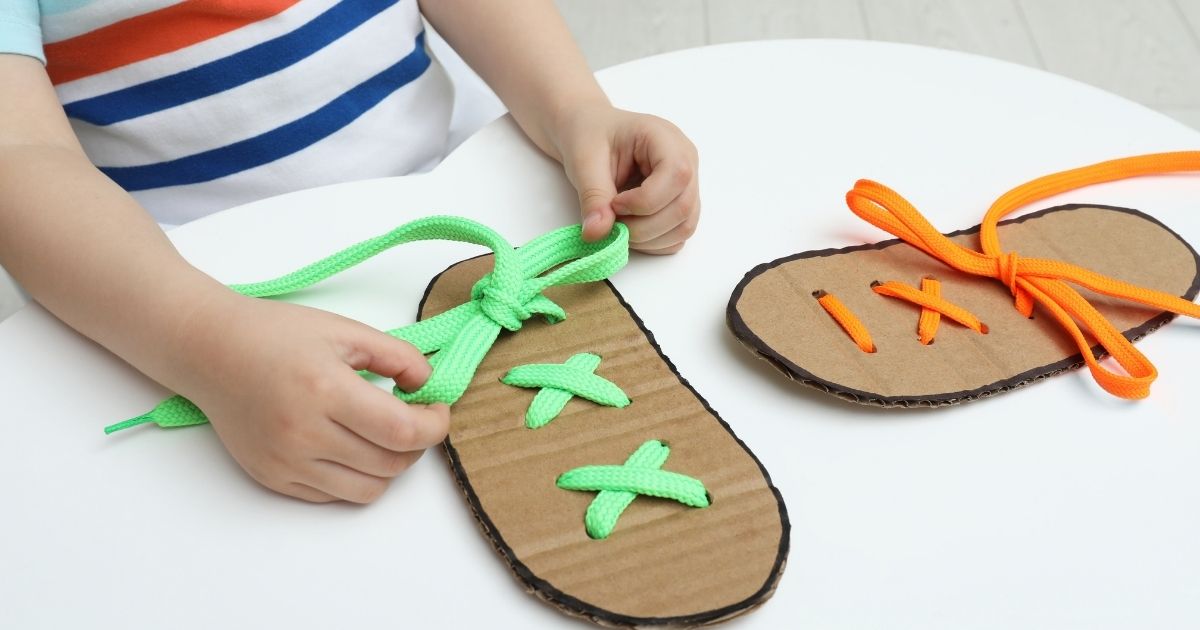
Fine motor skills help children complete everyday tasks—from drawing and writing to buttoning shirts and opening lunchboxes. This guide explores signs of difficulty and easy ways to strengthen fine motor development at home.
.jpg)
Gross Motor Skills: Building Strength, Balance and Coordination
Gross motor skills help children run, climb, balance and participate confidently in physical play. This guide explains signs of difficulty and simple activities that build skills in an enjoyable way.
.jpg)
How to Support Your Child’s Emotional Regulation at Home
Emotional regulation is a skill that develops over time. This guide offers simple, compassionate ways to support your child’s feelings so they can cope, connect and thrive.
.jpg)
Preparing Your Child for Their First Therapy Session
Starting therapy can feel like a big step—for children and parents. This guide walks you through how to explain therapy, what to bring, and how to make that first session feel as safe and predictable as possible.
.jpg)
Sensory Processing Differences in Children: A Calm Guide for Parents
Some children experience the world as “too much” or “not enough”. This guide explores what sensory processing differences are, how they can affect daily life, and simple ways you can support your child.
.jpg)
Supporting Your Child’s Independence in Daily Routines
Independence develops gradually and looks different for every child. This guide outlines helpful strategies to build confidence, reduce overwhelm and support morning, school and bedtime routines.
.jpg)
Understanding Emotional Regulation in Children: A Gentle Guide for Parents
Emotional regulation is a skill children develop over time—not something they’re expected to know instantly. This gentle guide explains why big feelings happen and how you can support your child to feel safe, understood and regulated.
.png)
Understanding Sensory Regulation vs Behaviour
Behaviour can communicate many things. This guide explores how sensory needs, regulation and the environment can influence what we see and how adults can respond with greater understanding and support.
.jpg)
What Is a Paediatric Functional Capacity Assessment (FCA)?
Functional Capacity Assessments can sound intimidating, but they’re simply a structured way to understand your child’s daily life, strengths and support needs. Here’s what actually happens and how we keep the process child-centred.
.jpg)
What Is Paediatric Occupational Therapy? A Gentle Guide for Families
Paediatric occupational therapy helps children build the skills they need for everyday life – from playing and learning to managing emotions and self-care. Here’s a calm, practical guide to what OT actually looks like.
.png)
.png)
.png)